Post-Surgery Home Nursing Care: What Actually Happens After You Leave the Hospital
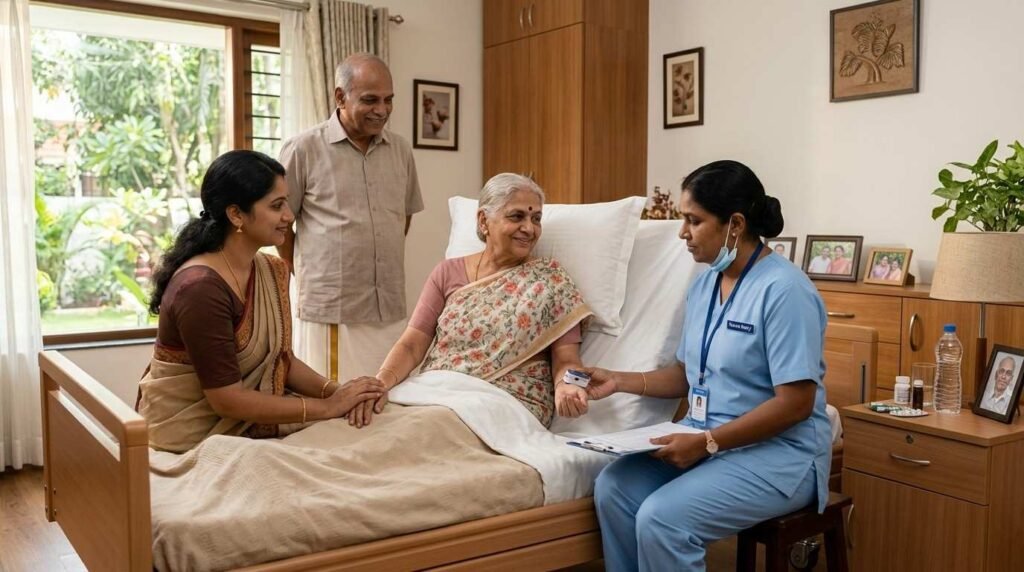
You have the discharge letter in your hand. The doctor has signed it. The nurse at the hospital gave you a list of things to do. The medicines you need to take the foods you should avoid and a follow-up date that is circled in ink.
Then you get back home.
The hospital bed is gone the call button is. The people who were checking on you all the time are not there anymore. Now it is just you, your family and the list of instructions that seems a lot harder to follow than it did when you were, in the doctors office.
This is the time when most familiesre not really ready. This is also the time when having someone to help you at home after surgery becomes really important not just nice to have.
Why Discharge Does Not Mean Recovery Is Over
There is an assumption that once a patient leaves the hospital the hard part is done.. In reality discharge just means the patient does not need intense hospital care anymore. It does not mean they are fully recovered and can take care of themselves.
The first two to four weeks after surgery are often the most critical. Wounds are still. The body is getting used to being without strong medications. Patients are not very mobile. Their appetite is not reliable. This is also the time when complications, like infections blood clots, falls and wound problems are most likely to happen.
Hospitals let patients go home at this stage not because they are fully recovered. Because they do not need hospital care anymore. Also recovering at home with support usually gives better results than staying in the hospital for a long time.
The important thing here is that patients need support.
What Post-Surgery Home Nursing Care Actually Involves
The tasks that a home nurse does after surgery are different depending on the operation and how the patient is doing.. For most surgeries the main things a home nurse does are pretty similar.
Wound Care and Dressing Changes
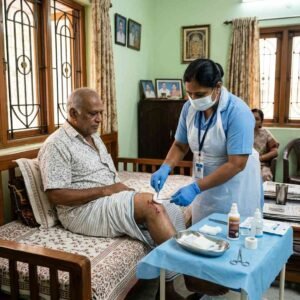
This is usually the reason a home nurse is needed after surgery. The wound from the surgery needs to be cleaned and covered properly.
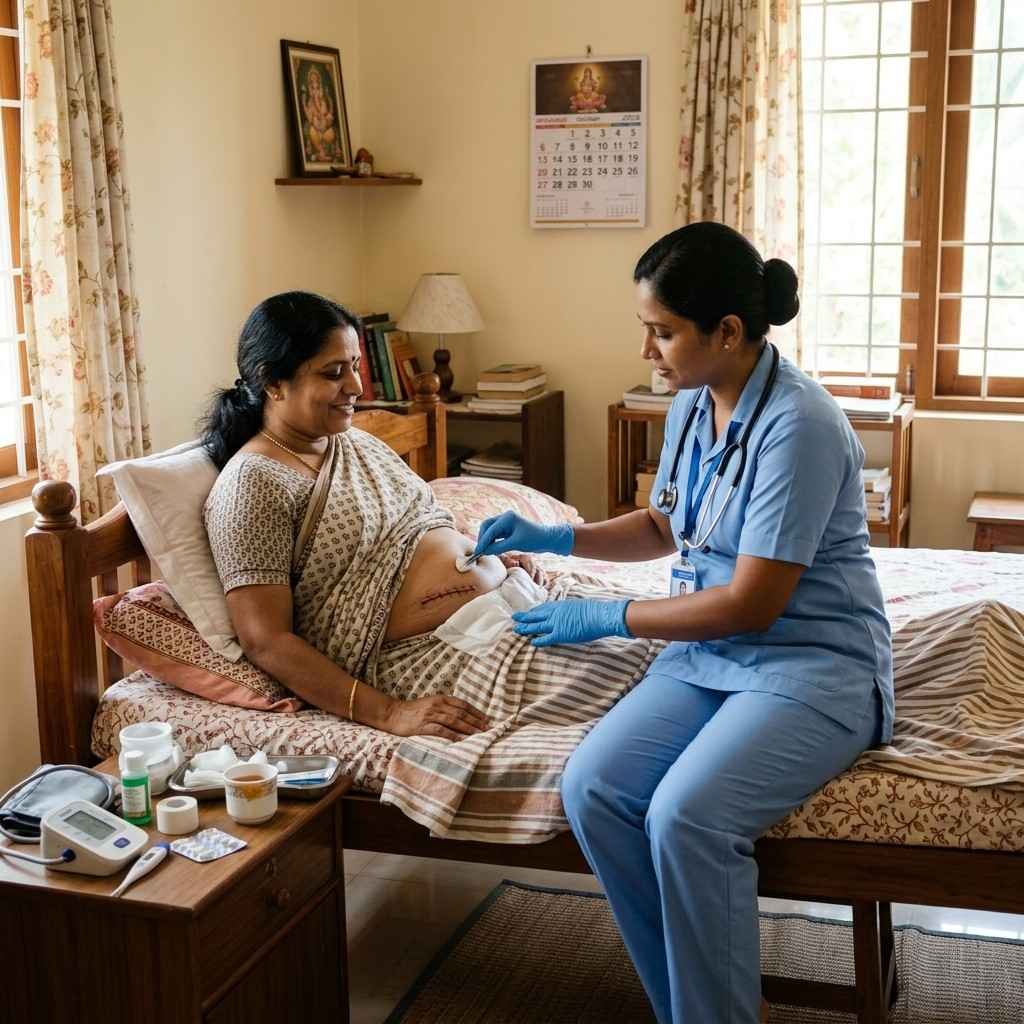
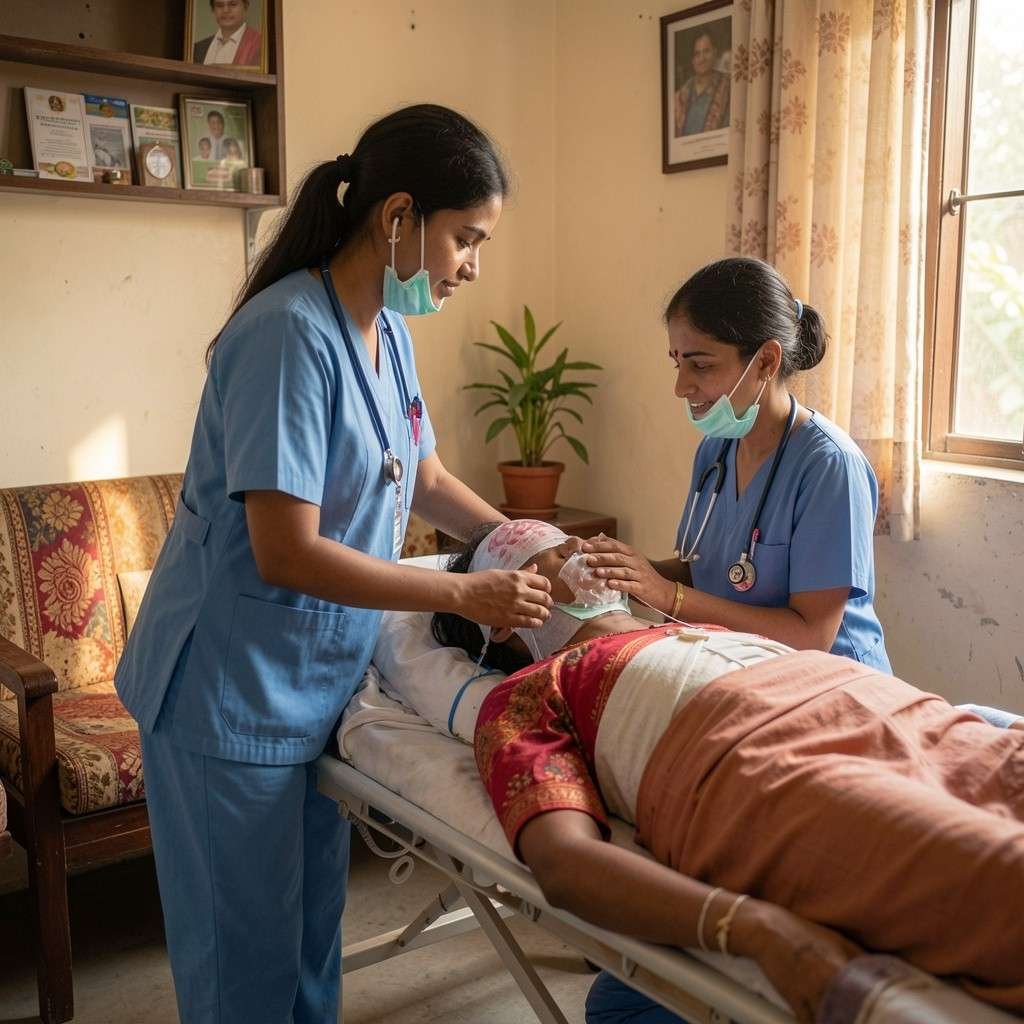
A home nurse checks the wound every time they visit. They look for signs of infection like redness, discharge, swelling, warmth or a bad smell. They change the dressing in a way that’s sterile write down how the wound is doing and tell the surgeon if they see anything that does not look right.
Families often do not realize how important it is to do this. If the wound is not dressed right it can take longer to heal or get infected. A nurse who does this every day makes a difference in how the wound heals.
Monitoring Vital Signs
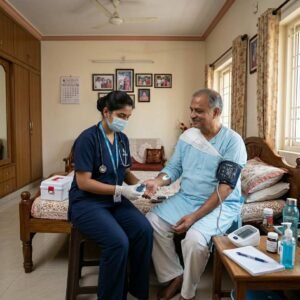
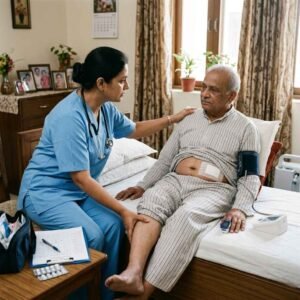
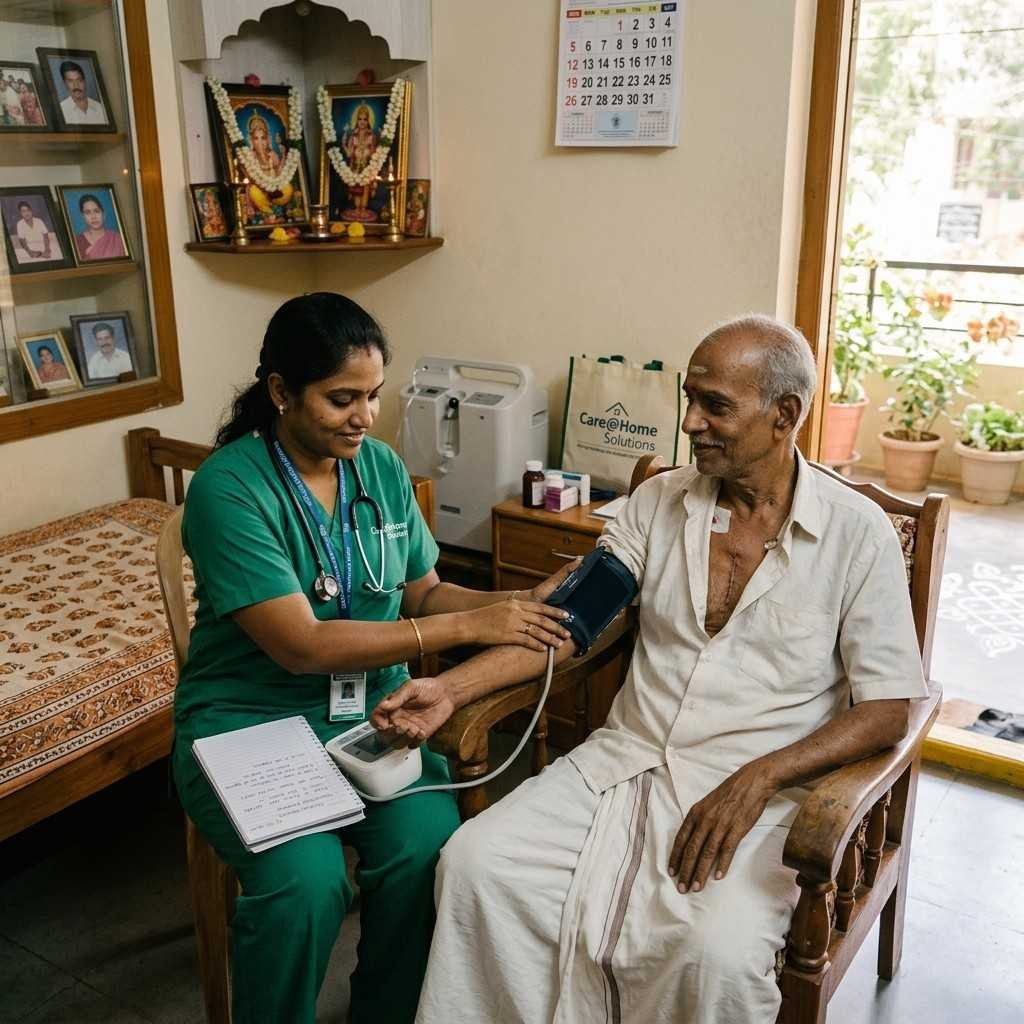
After surgery the body is working hard to get better. The home nurse needs to check things like blood pressure, heart rate, temperature, oxygen levels and breathing rate to make sure the patient is recovering like they should.
The home nurse checks these things regularly. Keeps track of them. If the patients temperature goes up a days after surgery that is something that needs to be taken care of right away. A nurse knows what to do. Does it. A family member who is not a nurse might not know if a little fever is normal or if it is something that needs attention.
Medication Management
The medicines that patients need to take after surgery can be complicated. There are antibiotics that need to be taken for an amount of time. There are pain medicines that need to be taken at the time. There are blood thinners that need to be taken to prevent clots.
A home nurse makes sure the patient takes all their medicines correctly watches for side effects and tells the doctor if there are any problems. For patients or those with other health issues this help with medicines is very important.

Pain Assessment and Management
It is normal to have some pain after surgery.. It should not be so bad that it is hard to deal with.
A home nurse checks how pain the patient is in makes sure they are taking their pain medicine like they should and helps the family know what is normal and what is not. They also find ways to help with pain that do not involve medicine like changing positions using heat or cold or breathing exercises.
When patients feel like their pain is being taken care of they tend to get faster. If pain is not managed well it can slow down the recovery.
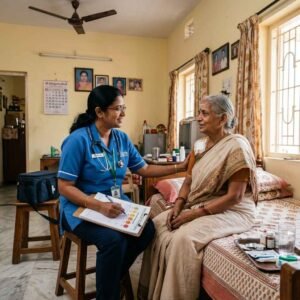
Mobility Support and Fall Prevention
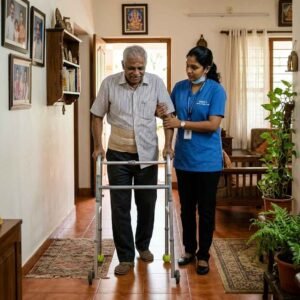
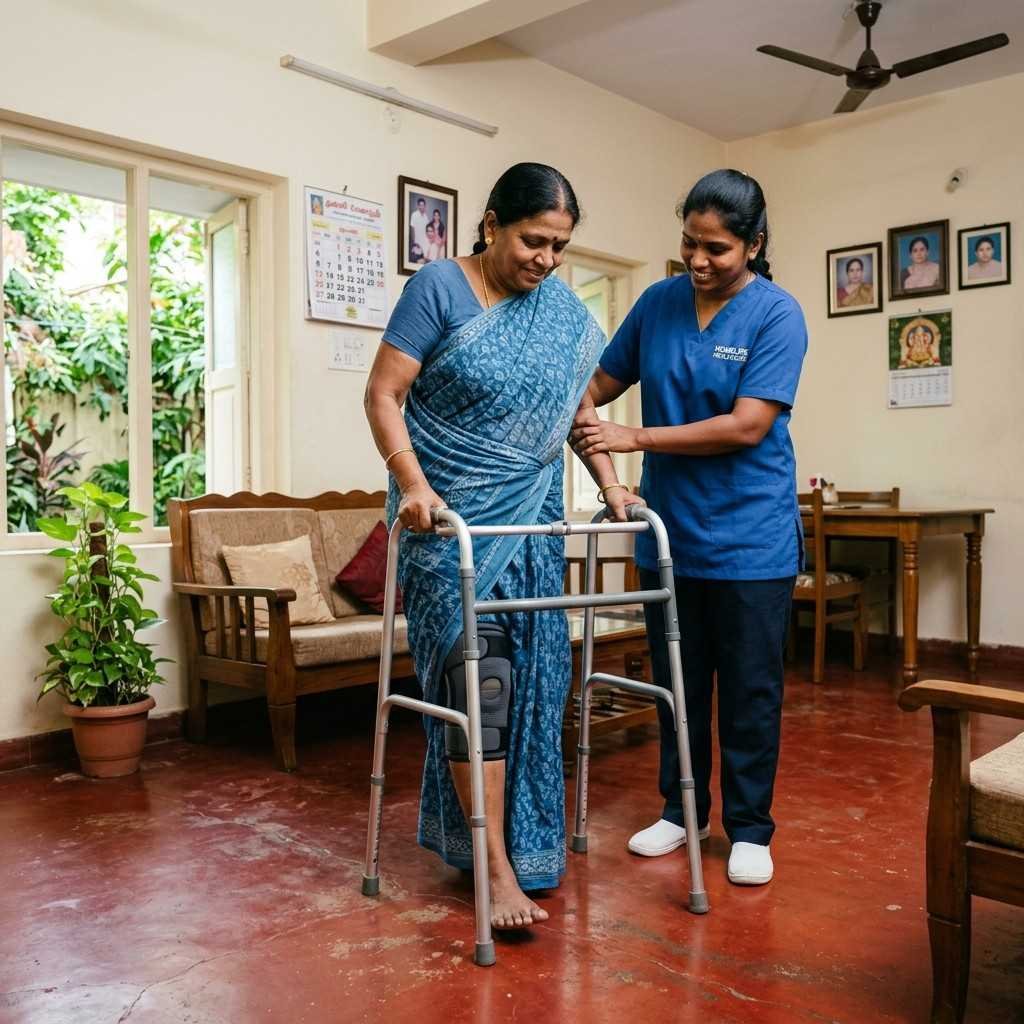
After surgeries patients need to get up and move around. This helps prevent blood clots, chest infections and keeps the muscles strong. Moving around after surgery can be risky especially for older patients. If a patient falls it can undo all the progress they made.
A home nurse helps the patient move safely like getting out of bed or walking to the bathroom. They also make sure the home is safe by removing things that could cause a fall.
Monitoring for Post- Complications
There are other risks after surgery that need to be watched for.
One risk is blood clots in the legs, which can be serious. A home nurse checks for signs like pain, swelling or warmth in the legs. Tells the doctor right away if they see anything. Another risk is pneumonia for patients who have been in bed for a long time. A nurse checks the patients breathing encourages them to do breathing exercises and watches for any changes.
For patients who had surgery on their abdomen the nurse also checks things like bowel movements, urine output. If the abdomen is swollen.
These are things that a trained nurse can see. They are also things that a family might not know to look for. Post-surgery home nursing care is very important, for the patients recovery.
Types of Surgery That Commonly Require Home Nursing After Discharge
When people have surgery they often need nursing care at home after they leave the hospital. Some types of surgery really need this kind of care.
Cardiac Surgery
Orthopaedic Surgery
Abdominal Surgery
Caesarean Section
Cancer Surgery
Neurological Surgery
Cardiac surgery is one of them. This includes bypass surgery, valve replacements and other heart procedures. These surgeries have recovery times and people have to be very careful about what they do. They also have to take a lot of medicine and their wounds need to be checked. Cardiac surgery requires a lot of care so home nursing is very important for cardiac surgery patients.
Orthopaedic surgery is another type of surgery that needs home nursing care. This includes hip replacement, knee replacement and spinal procedures. People who have these surgeries need help with therapy preventing falls and taking care of their wounds. They also need help with getting which is a big part of orthopaedic surgery recovery.
Abdominal surgery is also on the list. This includes appendectomy, hernia repair, bowel resection and gynaecological procedures. After these surgeries people often have tubes coming out of their bodies they have to follow diets and they have wounds that need to be taken care of every day. Abdominal surgery patients need care so home nursing is very helpful for them.
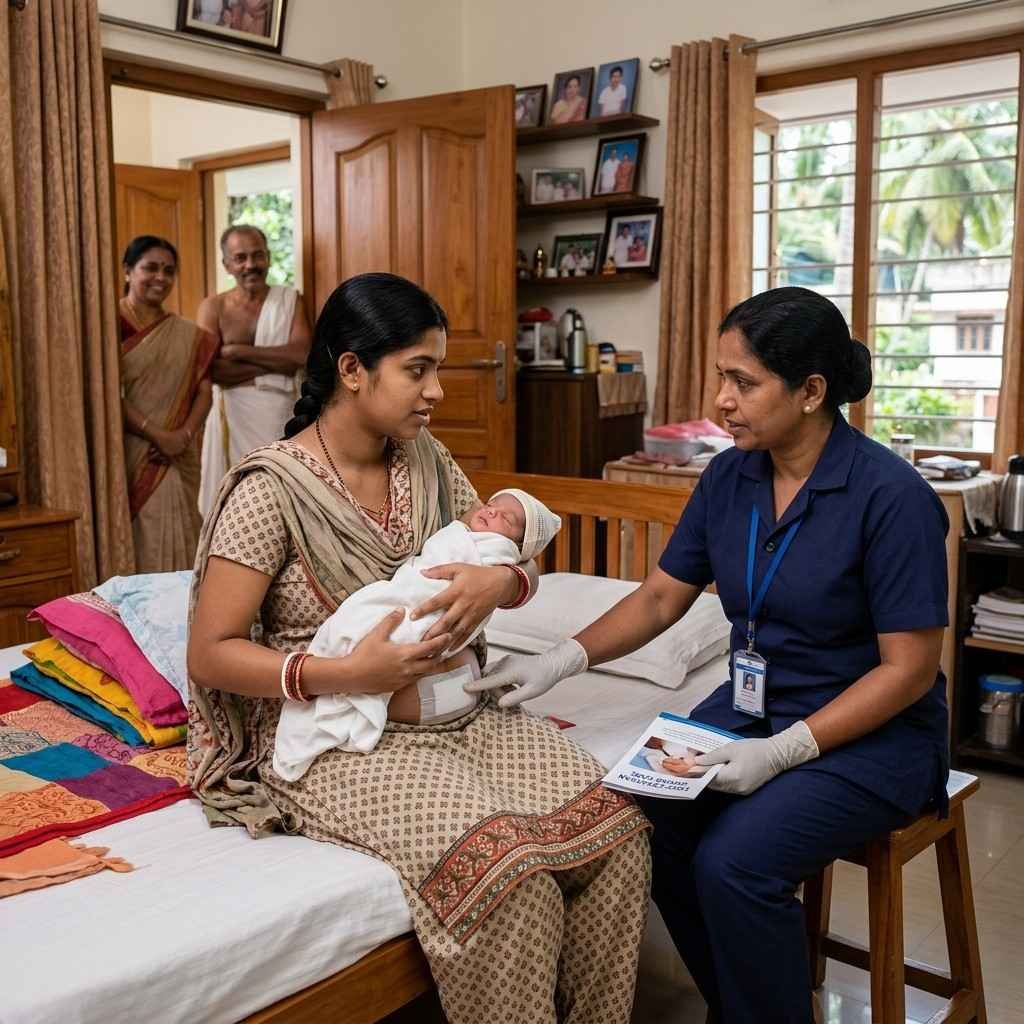
Caesarean section is a type of surgery that requires home nursing care too. After a C-section women have to take care of their wounds and their new baby at the same time. This can be very hard so nursing support is very valuable in the few weeks.
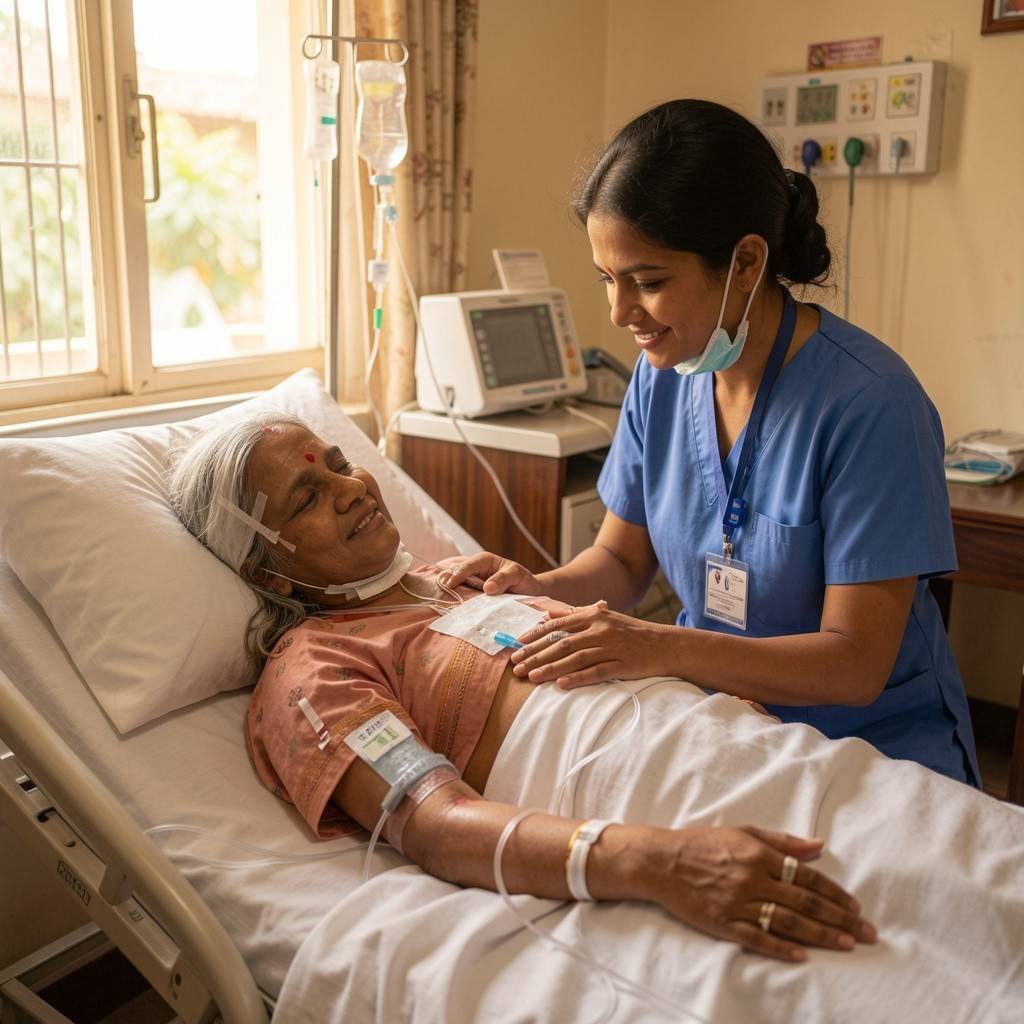
Cancer surgery is another type of surgery that needs home nursing care. Patients who have tumour removal, mastectomy or other cancer surgeries often have needs after surgery. They may also be getting ready for chemotherapy or radiation which adds another layer of care that they need. Cancer surgery patients need a lot of care. Home nursing is very important for them.
Neurological and ENT surgery are types of surgery that need home nursing care well. These surgeries involve the brain, spine or ear-nose-throat. People who have these surgeries often have to be, in positions they may have trouble swallowing or they may need someone to monitor their nervous system. Neurological and ENT surgery patients need trained nurses to take care of them at home so they can get the care they need.
The Role of the Family During Post-Surgery Recovery at Home
A home nurse is not a substitute for the family being and the best way for someone to recover at home is when the family and the nurse work together. The nurse does not have to work around the family.
The family is important during this time. They do not have to do the tasks. The family has to make sure the patient feels supported and loved tell the nurse about any changes when the nurse comes to visit keep the home clean and safe, for the patient and make sure the patient is eating food resting and doing what the doctor says.
Little things make a difference when someone is recovering from surgery at home. If a patient feels alone and worried they will get better slower.. If they feel like someone is taking care of them and they are not alone they will get better faster. Family members who know what is going on. What the cut should look like when the patient should take medicine, what to watch out for. Can really help the patient recover. They are not just standing around worried.
A good home nurse will talk to the family. Explain things clearly answer their questions and tell them what is happening every day in a way that the family can understand and help with the Family and the patients recovery.
What to Arrange Before the Patient Comes Home
The time between leaving the hospital and the home nursing visit is when problems usually happen. If you arrange for -surgery home nursing care ahead of time before the patient is sent home you can avoid these problems.
A few things worth organising before the patient arrives home:
Confirm the care plan with the surgeon. You need to know what the nurse will be doing. How often they will take care of the wound check vital signs help the patient move around and what problems the family should tell the nurse about right away.
Get the patients room ready. The room should be easy to get to have a bed that is not too high or too low have good lights and not have anything on the floor that the patient could trip on. It is also very helpful if the bathroom has a bar to hold onto for patients who have trouble moving around.
Get all the medicines before the patient is sent home. Do not wait until the patient is home to get the prescriptions filled. Have all the medicines ready with labels on them and instructions on how to take them.
Tell the home nurse everything they need to know on the day. Give them the paper that says what happened when the patient was sent home the notes, from the surgery pictures of the wound if you have them and the list of all the medicines the patient is taking. The nurse needs all this information to take care of the patient from the very start.
Post-Surgery Home Nursing in South India — What Families Here Actually Experience
In South India in places like Kerala, Tamil Nadu, Karnataka, Andhra Pradesh and Telangana families who are taking care of their loved ones after surgery at home have to deal with some real issues.
When someone is discharged from the hospital it can happen quickly. Hospitals in South India the good private ones do not have a lot of beds available so patients often go home before their families feel they are ready. This is a problem in cities like Chennai, Kochi, Hyderabad and Bengaluru where hospitals need to get patients in and out quickly. If you arrange for a home nurse ahead of time your family will not have to scramble to find someone on the day your loved one is discharged from the hospital.
A lot of the patients are people who have other health problems too. For example a 72-year-old person who had hip surgery in Coimbatore may also have diabetes, high blood pressure and need to take heart medicine. The home nurse has to pay attention to all of these health issues at the time not just the surgery wound.
Many family members have to travel for their jobs. If you are an adult child taking care of your parent who is recovering from surgery in a different city like from Bengaluru to Thrissur or from Hyderabad to Vijayawada you will rely on the home nurse a lot. You will need the home nurse to take care of your parent and also to keep you informed about how they’re doing because you cannot be there every day. You will want to get updates from a nurse you trust so you can know what is going on with your parent.
The language that the nurse and patient speak is also very important when someone is recovering from surgery at home. When a patient is at home they are often more comfortable. Will talk more in their own language. If the nurse speaks the language as the patient like Malayalam in Malappuram, Tamil in Tirunelveli or Kannada in Mysuru they can understand what the patient is really going through. This includes complaints that the patient might not bother to mention if they were speaking a different language.
So post-surgery home nursing, in South India is really important for families and the home nurse needs to be able to speak the patients language and take care of all of their health needs.
How Long Does Post-Surgery Home Nursing Typically Continue?
This is different for each person. It depends on the type of surgery they had and how healthy they were, before the surgery and how well they are getting better.
For people who had surgeries and were healthy to begin with home nursing usually lasts for two or three weeks. This is when they need help with their wound and learning to move again.
For people who had surgeries or are older they might need a home nurse for six or eight weeks or even longer. Some people who need to do physical therapy will have a home nurse for a time to help them with their therapy and make sure they are getting the right care.
The doctor who did the surgery is the person to ask about how long the home nursing will last. A good home nurse will tell the family when the patient is doing enough that they do not need a nurse to come to their home anymore. They will not just keep coming because it is easy or because they are used to it.
Conclusion
Leaving the hospital after surgery is not the end of getting better. For patients it’s actually the start of the hardest part of their recovery. This is when their body heals the most, when problems are most likely to happen and when having someone who knows what to do matters.
Home nursing care after surgery is not about replacing the hospital. It’s about helping patients get better at home with the help of someone who is trained to care for them. This person knows what recovery should look like what doesn’t look right and when to call the doctor.
For families in South India having a home nurse can make a big difference. It can turn an uncertain recovery into one that is well-managed and supported.
The surgery is done. How well the patient recovers is what really matters. Getting care during this time makes a big difference, in the outcome.