Palliative Care at Home: A Compassionate Guide for Families Facing a Difficult Time
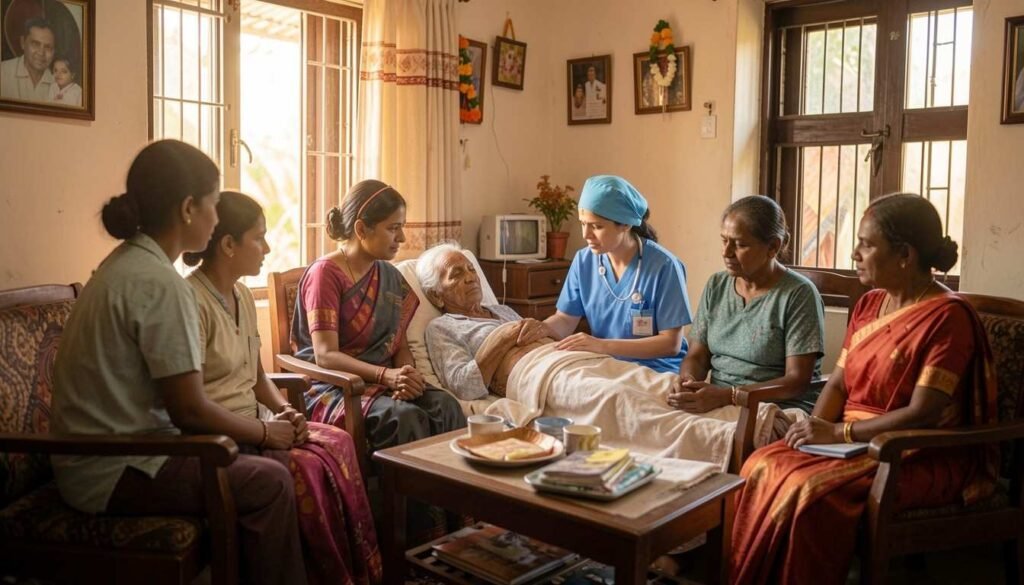
There is a time when people who are sick and their families start to think about things in a way.
They do this because they want the best for their family member who’s sick. They have been to the hospital a lot. They have been through a lot of tough days.
Families often ask themselves:
- Should we make sure our loved one is comfortable now?
- Would it be better for them to stay at home of being in the hospital?
These are questions to ask. It does not mean they are giving up on their family member who’s sick. They ask these questions because they love and care about them and they want to make every day as nice and meaningful as possible for their loved one who’s sick.
This is where palliative care, at home can help people who’re sick and their families.
What Palliative Care Actually Means
There is a lot of confusion around this term. This confusion causes families to delay talking about things they should be discussing.. They misunderstand what kind of help is available to them.
Palliative care is medical care. It helps with pain, discomfort and the emotional burden of illness. It is not just for people who are dying. Palliative care can start at any stage of an illness. It can happen alongside treatment that aims to cure the illness.
- A cancer patient getting chemotherapy can also get care. This helps with nausea, pain and tiredness.
- A person with heart failure can get palliative support. This improves their breathing. Reduces anxiety.
- A patient with end-stage kidney disease can get nursing at home. This helps them stay comfortable and have dignity in their weeks.
Palliative care changes the focus. It moves from treating the disease to caring for the person. Palliative care is, about the person, not their illness. Palliative care helps people get the support they need.
The Difference Between Palliative Care and Giving Up
This is important to understand. Because for South Indian families stopping treatment that is very aggressive can feel like giving up on the person they care about. It can feel like they are letting this person down.
That is not true.
Palliative Care is not about stopping all help. It does not mean that the family has lost hope. It means that the family and the doctors have decided together to focus on making the patient comfortable and happy and to make sure they have a life. They do this of using treatments that may not be working anymore.
Many families who choose Palliative Care for their loved ones at home say it was the loving thing they did. It was not easy to do this.. It meant that their mother could spend her last few months at home in her own bed eating food she liked and being with her grandchildren. Instead of being in a hospital room, with machines that were not making her better.
What Home-Based Palliative Care Involves
When palliative care comes into the home it is a mix of help emotional support and practical assistance for the patient and the family taking care of them.
Pain and Symptom Management
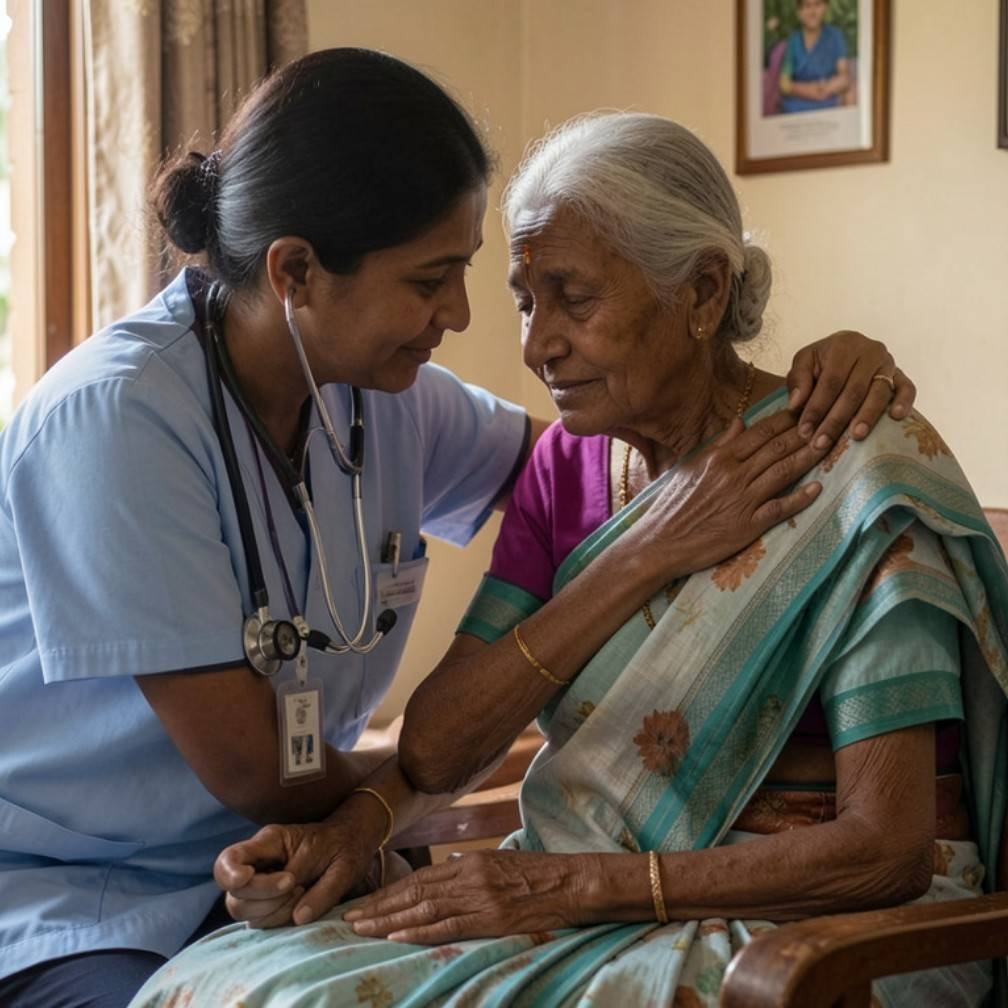
This is the part of palliative nursing care. A patient with an illness often has to deal with a lot of discomfort. Pain from the illness feeling sick from medicine being short of breath feeling tired skin problems from not moving, trouble swallowing or anxiety that feels like physical tension.
A palliative home nurse checks these symptoms carefully. They give medicine as prescribed. Including pain relief when the doctor says it is okay. And change the patients position, surroundings and care routine to reduce discomfort between medicine doses.
The goal is not to make the patient sleepy. It is not to take all feeling. It is to find a level of comfort that lets the patient be present. To talk, to recognize the people they love to rest without suffering. Palliative care is about making the patient comfortable.
Personal Care With Dignity
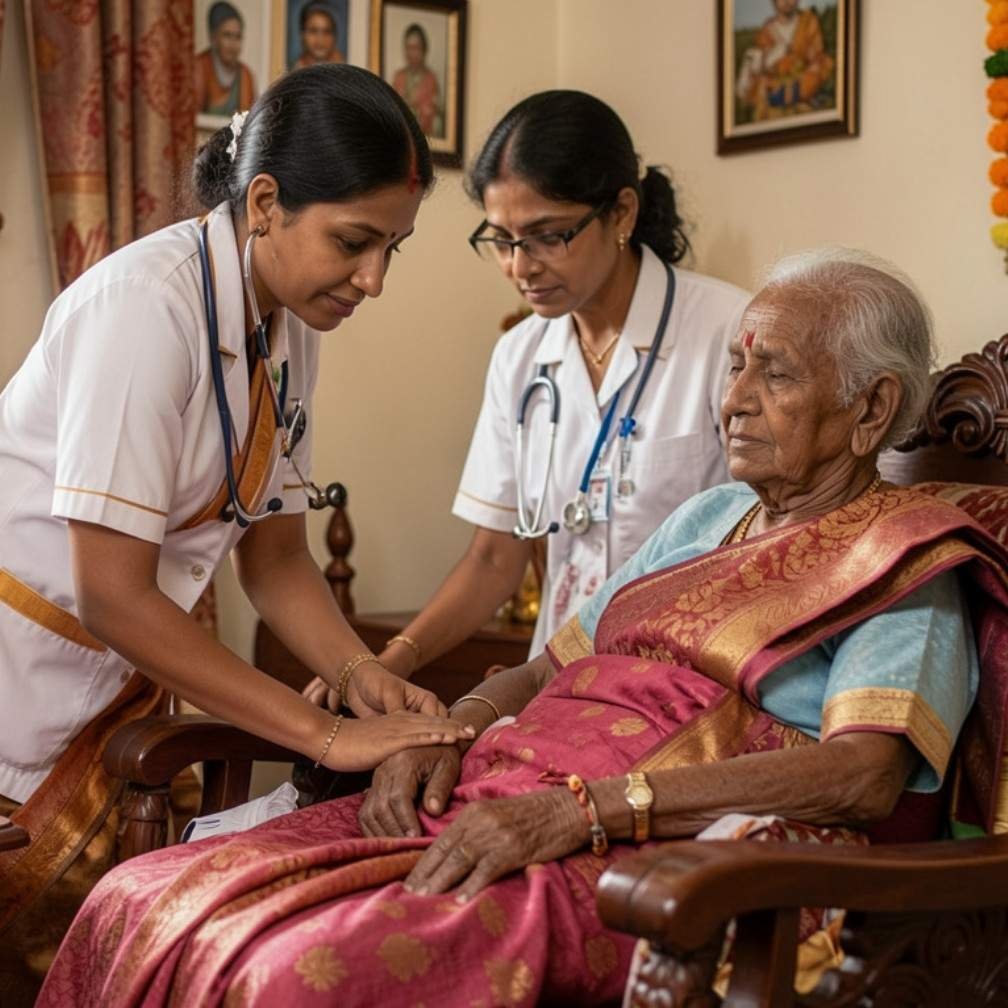
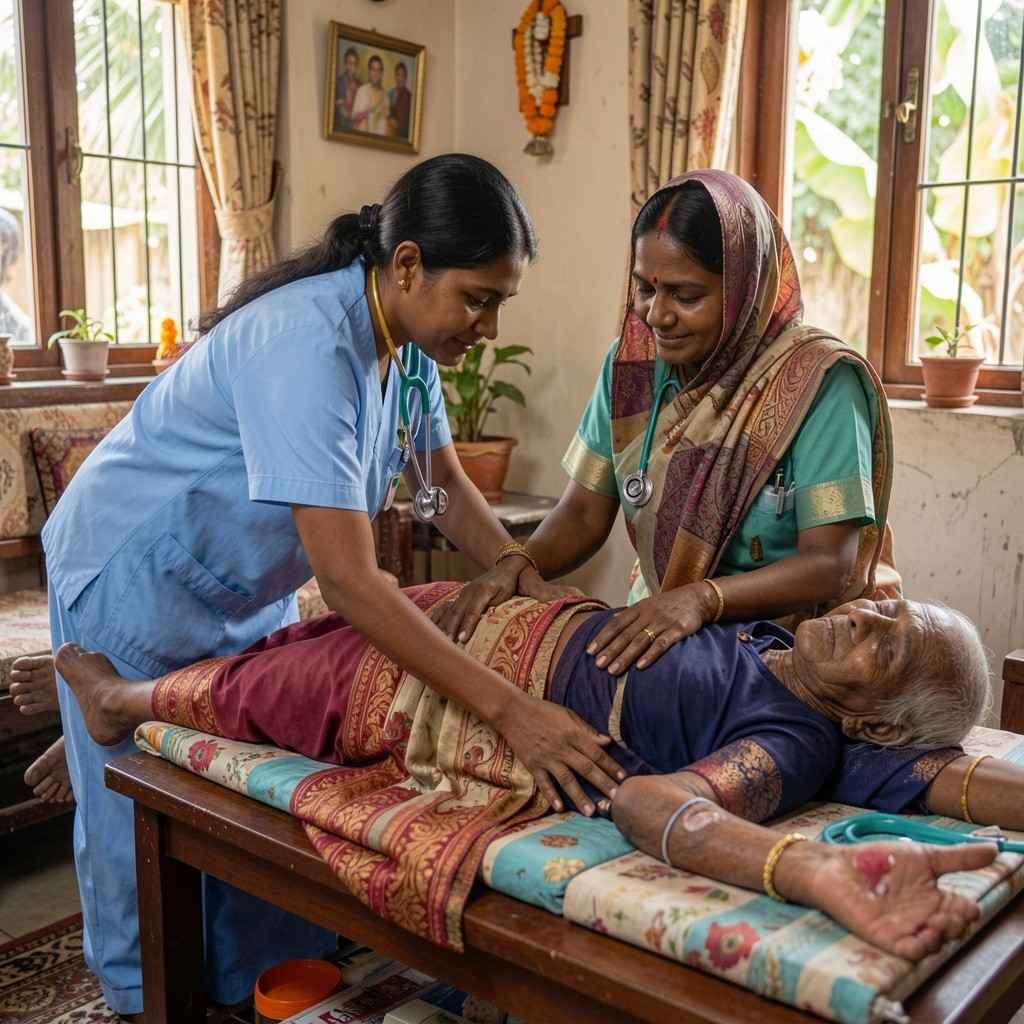
As the illness gets worse patients often lose the ability to take care of their hygiene get dressed and move around. For people. Especially older patients who have been independent their whole lives. Losing this independence is very upsetting.
A palliative home nurse helps with care in a way that respects the patients dignity. They work at the patients pace. They explain what they are doing. They do not rush. They understand that helping someone bathe is not a task. It is a kind and personal act that shows the patient they are still seen as a person, not just a patient.
Preventing Secondary Complications
In palliative care there are things that can be prevented. Not to make the patient live longer at any cost but because they cause unnecessary suffering.
Bedsores are painful. Can be completely avoided with proper positioning and skin care. Dry mouth and oral infections make swallowing painful and eating impossible. Urinary infections from catheter problems cause a lot of discomfort. Constipation from pain medicine can become very painful if not managed properly.
A palliative home nurse takes care of all these things. Consistently and competently. So the patients last days are not made harder by avoidable physical distress.
Emotional and Psychological Support
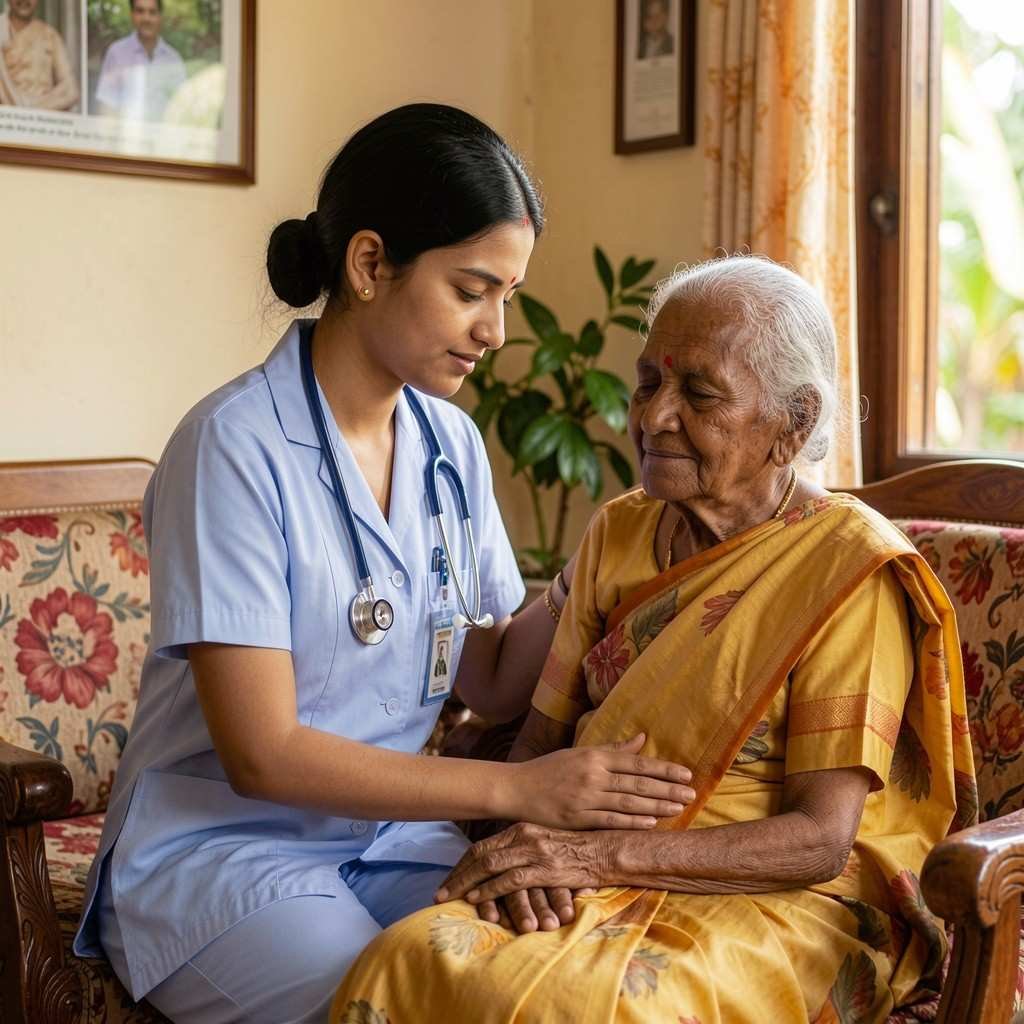
Serious illness is not a physical experience. The patient is often scared. Of pain of what’s coming of being a burden on the family. They may feel angry or guilty or very sad. Some patients become withdrawn. Others want to talk all the time about things they have never discussed before.
A palliative home nurse has sat with patients through this experience. They are not scared of these conversations. They do not change the subject when the patient talks about dying. They listen they answer honestly when asked and they create a space where the patient feels safe to feel whatever they are feeling.
This is not therapy in a sense. It is being present. Consistent, unhurried and genuine.. For patients who spend a lot of time at home with their illness it matters more than most families realize.
Supporting the Family
Palliative care at home is not just for the patient. It is for everyone in the household who is affected by this experience.
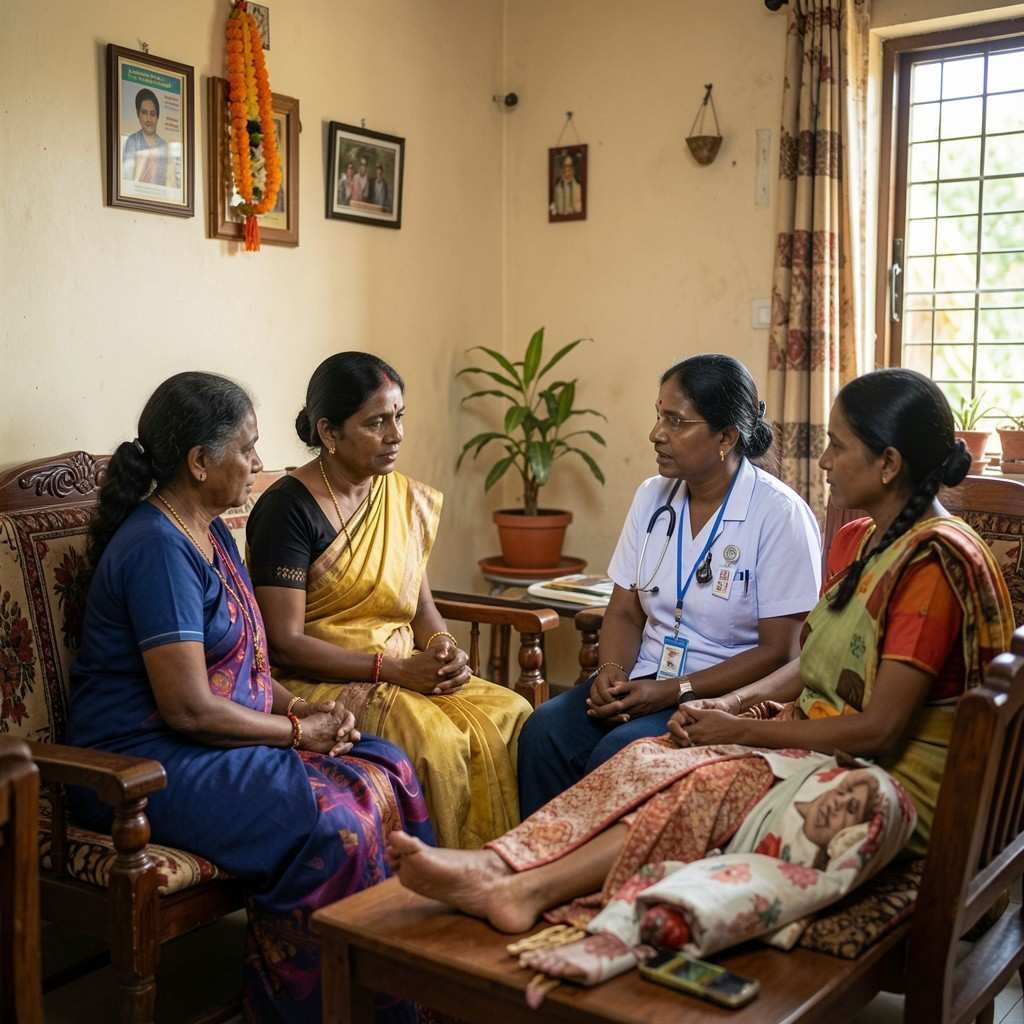
Family members taking care of an ill loved one at home often feel exhausted, grieving, anxious and guilty all at the same time. They are trying to give the care while also dealing with their own emotional struggles in private. They worry about whether they’re doing enough. They feel helpless when the patient is in pain. They do not always know what is normal in this stage of illness and what should worry them.
A palliative home nurse supports the family through this too. They explain what is happening in the patients body as the illness gets worse. They prepare family members for what to expect in the coming days or weeks. Honestly without being too clinical. They answer questions that familiesre sometimes afraid to ask the doctor.. They are there at the bedside during the moments that matter most.
Who Needs Palliative Care at Home?
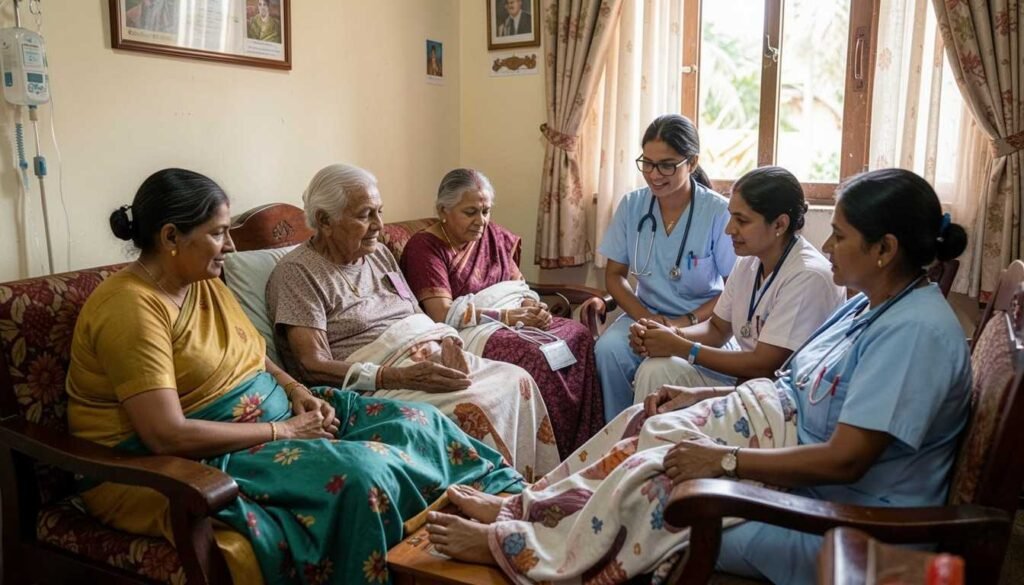
Palliative care at home is an option for people with serious health problems. It is not just for people with cancer even though cancer is what most people think of when they hear care.
People with cancer need palliative care at home especially when they are not getting treatment to cure the cancer anymore. The main goal of care at home for these people is to manage pain deal with fatigue stop feeling nauseous and have a good quality of life.
People with end-stage heart failure also need care at home. They often have trouble breathing need help managing fluid and feel anxious. The focus is on keeping them mobile and comfortable in their few months.
People with COPD or lung disease need palliative care at home too. They have a hard time breathing. Often go to the hospital.. Going to the hospital can be more stressful than helpful so palliative care at home is a better option.
People with end-stage kidney disease who choose not to have dialysis need palliative care at home. The focus is on managing their symptoms and keeping them comfortable.
People with conditions like advanced Parkinsons disease, motor neuron disease or late-stage dementia need palliative care at home. These people have a time talking and taking care of themselves so they need special care.
Older people with health problems need palliative care at home when their bodies are getting weaker. The goal is to keep them comfortable and dignified than trying to fix everything with aggressive medical treatment. Palliative care at home is about making sure people with health problems, like these have the best quality of life possible.
Palliative Care at Home in South India — What Families Here Experience
Kerala has a very good community palliative care system in India. The Pain and Palliative Care Society in Kozhikode along with district-level networks across the state has built a model of community-based palliative care. This model helps patients in their homes in both rural areas.
- Families in Kerala whether in Thiruvananthapuram, Thrissur, Palakkad or Wayanad often have access to palliative support.
- This support extends beyond a home nurse to a network of trained volunteers, community health workers and specialist doctors.
Tamil Nadu has also seen growth in palliative care services. This growth is through hospital-based home care programmes in Chennai, Coimbatore, Madurai and Vellore.
Palliative care networks are developing in Andhra Pradesh and Telangana around Hyderabad and Vijayawada.
For families in towns and rural areas access to palliative care may still be limited.. It is improving.
Families in these areas are often best served by connecting with the district hospitals palliative care unit. They can also supplement with a home nurse who has been briefed on the patients palliative care plan.
Cultural Realities Around Dying at Home
In South Indian families dying at home carries a different weight. There is a cultural and spiritual significance to being in ones own space. This means sleeping in the room where one has slept for decades. It also means hearing sounds and being surrounded by family rather than medical staff.
For elderly patients across Kerala, Tamil Nadu and Andhra Pradesh this preference is expressed clearly. Sometimes they express it early in their illness. Sometimes they express it only when they understand how serious things have become.
Families should know that this preference is medically valid. Dying at home with palliative nursing support is not a lesser option. For patients it is the better one.
There is also the matter of spiritual practice. A patient who wants a particular prayer read at a time can have it done at home. A patient who wants family gathered in a way can have it done at home. A home-based palliative nurse works around these realities than against them. The nurse respects the patients rituals and traditions. This makes a difference in the patients comfort and peace.
Palliative care at home is about supporting the patient and their family. It is about providing care that respects their values and traditions. Palliative care at home helps patients live their remaining days, with dignity. It helps them live with comfort and peace.
Having the Conversation With the Patient
One of the things for South Indian families is talking to a parent or spouse about what is going on. This means telling them what is happening asking what they want and finding out what they prefer for their care.
Many families do not want to have this talk all. They just deal with it quietly. Make decisions for the patient without asking them because they want to shield them from painful truths.
This makes sense.. Most patients already know more than their families think they do. The patient knows when people are not talking about something. They notice when people are being careful about what they say.
When patients are not included in decisions about their care they can feel even more scared and alone than if they had known the truth.
So when it is possible and the patient can take part in the conversation it is an idea to talk to them about palliative home care. This means explaining what it is, what it will be, like and what they want.
This gives The Patient some control back when they have lost much. A palliative care nurse or doctor can help the family start this conversation if they do not know how to begin.
Practical Arrangements for Palliative Care at Home
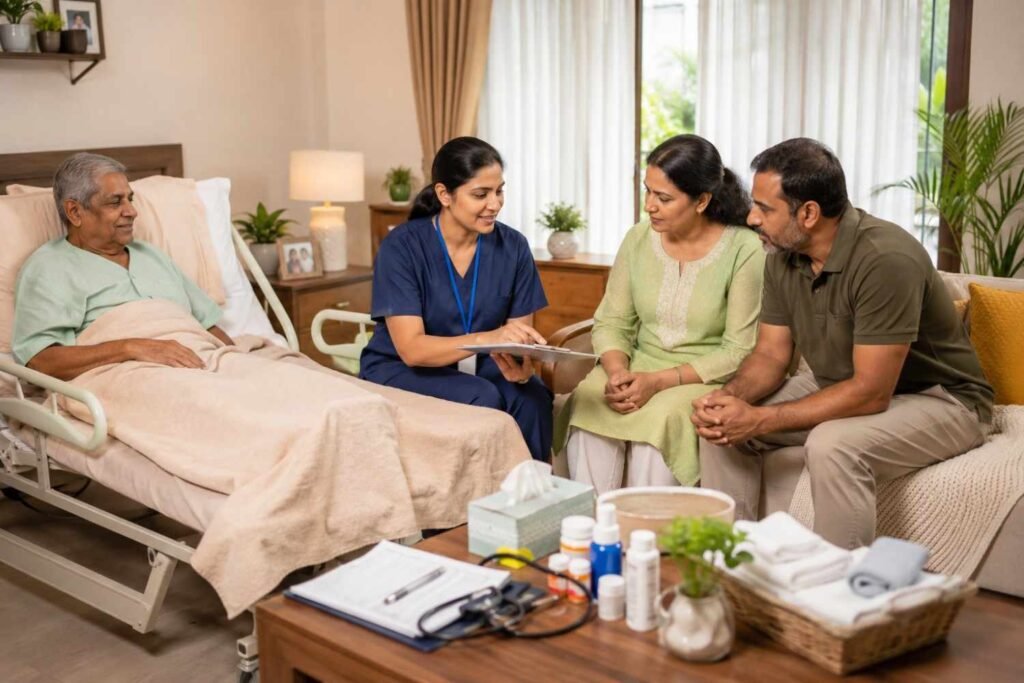
To set up care at home you need to do some things first. This includes getting things ready for the nurse and making sure the home is okay for the patient.
The doctor in charge should give you a plan for care. This plan should say what the main symptoms are, what medicine the patient is taking, what the nurse can give the patient what to do if things get worse and who to call if you need to make decisions about palliative care.
You may need to make some changes at home for care. You might need a bed that can be moved up and down a special mattress to stop bedsores a easy way to get to the toilet and enough room for the palliative care nurse to move around the patient.
It is an idea for the family to talk clearly with the palliative care nurse from the start. You should know who will tell you what is going on with care and how often what signs mean you should call right away and what will happen in an emergency with palliative care.
It is also an idea to have one family member, at home or able to be reached when the palliative care nurse comes, especially at first when the palliative care plan is new and might need to be changed.
Conclusion
Deciding on care at home is not something to be sad about.
For families in South India it is a very brave and kind thing to do. They are bringing their person home so they can be around the things they love. This way they can make sure the time they have left is comfortable and happy.
Palliative care at home makes this possible with the help of a nurse. Most families cannot do this on their own because it is very hard. They have a lot of love. They need someone with special training. This person can help with pain and other problems that happen at the end of life. If your family is trying to figure out what to do you should learn about care at home.
You do not have to do this by yourself.
Your loved one can stay at home. Be happy.
Palliative care at home is an option for your family to consider. You can get help. Your loved one can be, at home where they want to be.